EE0252
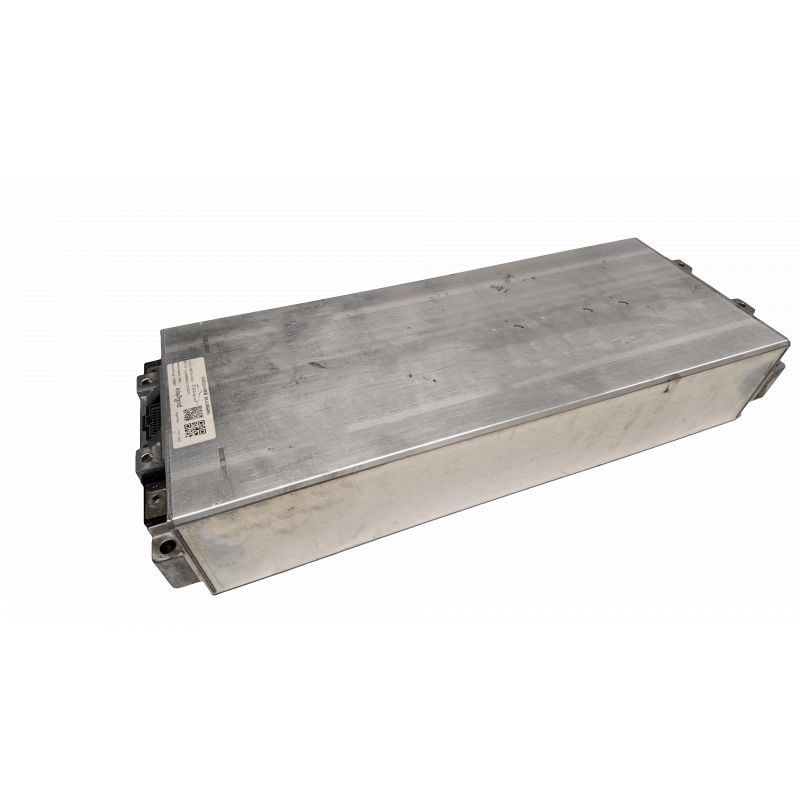
VW ID (MEB Platform) Battery Module – 8S, 6.85 kWh, 30 V (Used)
The Volkswagen ID battery module, derived from the MEB platform, stands out for its high energy density of approximately 265 Wh/kg, placing it among the most efficient lithium-ion battery solutions currently available on the market. It is based on NCM 712 chemistry and manufactured by LG Chem, ensuring a high level of performance and reliability.
Thanks to these characteristics, this module enables classic vehicle conversion or retrofit projects to achieve driving ranges in excess of 200 to 320 km per charge, depending on the pack architecture, vehicle configuration, and operating conditions
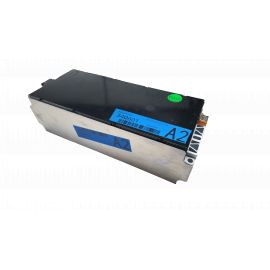
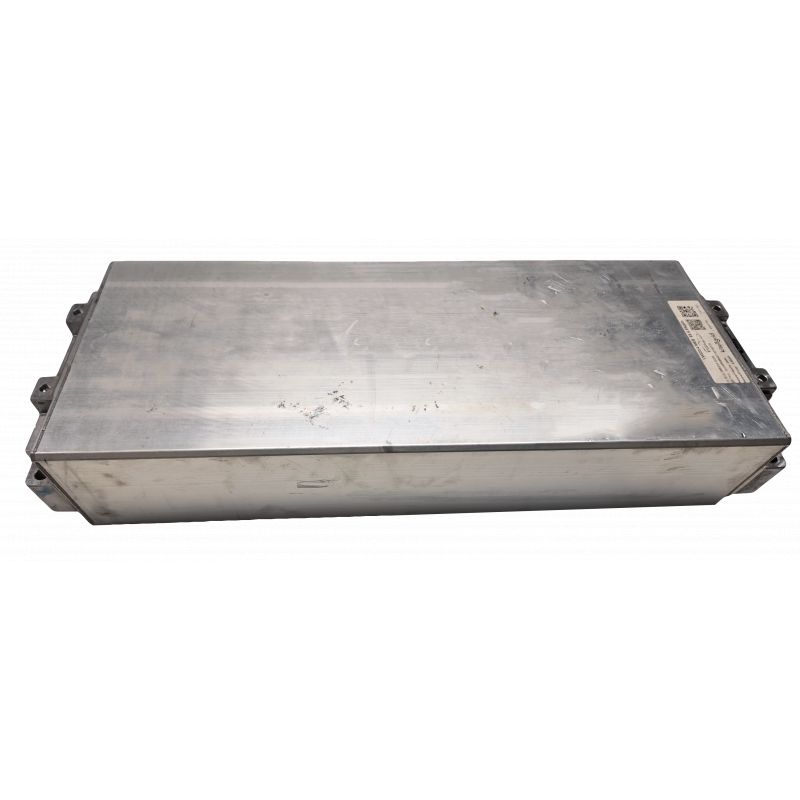
This Volkswagen ID.3 battery module is a used unit originating from the MEB platform. The lithium-ion cells are housed in a robust aluminum enclosure, providing excellent thermal conductivity and making the module easy to cool or heat depending on operating conditions.
Thanks to its voltage level and high capacity, this module is particularly well suited for electric vehicle conversion and retrofit projects. For typical NetGain Hyper 9 applications, preferred configurations such as 1P3S or 1P5S allow total system capacities ranging from 20 to 34 kWh, depending on the selected architecture.
The module also performs exceptionally well in 24-volt off-grid solar energy systems, where its electrical stability, energy density, and mechanical robustness are key advantages.
• Nominal capacity: 234 Ah
• Nominal energy: 6.85 kWh
• Configuration: 8 cells in series (8S)
• Nominal voltage:
• 3.7 V per cell
• 29.6 V per module
• Charge cut-off voltage:
• 4.2 V per cell
• 33.6 V per module
• Discharge cut-off voltage:
• 3.3 V per cell
• 24.2 V per module
• Maximum discharge current (10 s): 1,000 A
• Dimensions (H × W × L): 110 × 225 × 590 mm
• Weight: 32 kg
• Electrical terminals: M6 bolts
• Enclosure: aluminum, optimized for thermal management
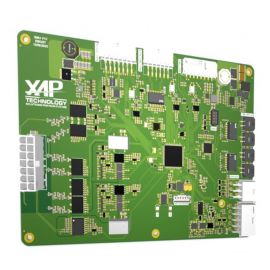
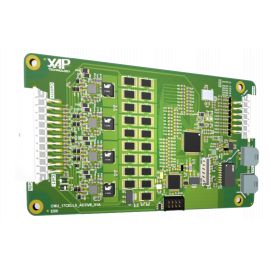
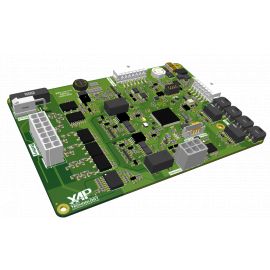
This battery module represents a high-performance solution for electric mobility projects, stationary energy storage, or advanced prototyping, provided that proper integration and a compatible battery management system (BMS) are used.